Geotechnical
Engineering
Soil, rock, and groundwater conditions at every site are different. We assess the specific site conditions and design earth structures (slopes, channels, and dikes), foundations (retaining walls, bridges, buildings, tanks), and subsurface structures (clarifiers, lift stations, buried utilities, tunnels) to economically achieve the specific project objectives.
Learn More →
Construction Materials
Engineering
& Testing
Construction material performance is key to the function and durability of any project. We engineer and test materials such as soil, concrete, and asphalt so you get what you pay for and the project performs as expected.
Learn More →
Civil/Pavement
Engineering
A successful project starts with clear understanding of the project’s specific needs. We prepared street rehabilitation PS&E, traffic control designs, pavement designs, and asset management systems based on careful understanding of design requirements.
Learn More →
Environmental Geology
& Engineering
Impact from hazardous waste, wetlands, faulting, and/or NEPA processes are serious concerns for project development. We identify such concerns early in project development, and provide strategies to mitigate impacts and provide the proper regulatory approval so the project can proceed on time and achieve the project goals.
Learn More →
Roads & Bridges
Congestion and failing road surfaces cause delays, vehicle damage, and even driver safety issues. Solving these problems requires our specialized knowledge of pavement and roadway structures.
Learn More →
Water, Wastewater & Flood Control
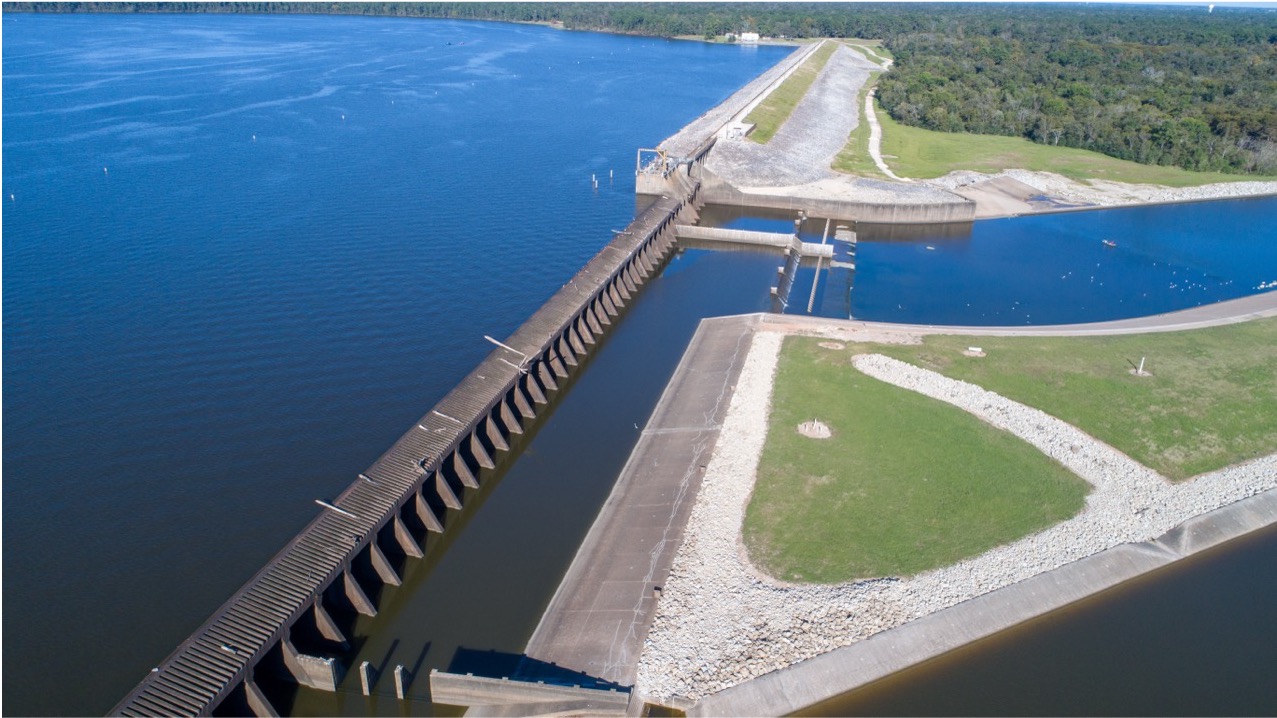
Drinking water, flushing toilets, and dry streets for granted – until they are gone. We specialize in keeping these systems running effectively.
Learn More →
Airports, Ports & Dredging
Expanding and maintaining ports and airports is crucial to our economic development. HVJ’s specialized pavement, wharf, and navigation channel experience makes it happen.
Learn More →
Rail & Transit
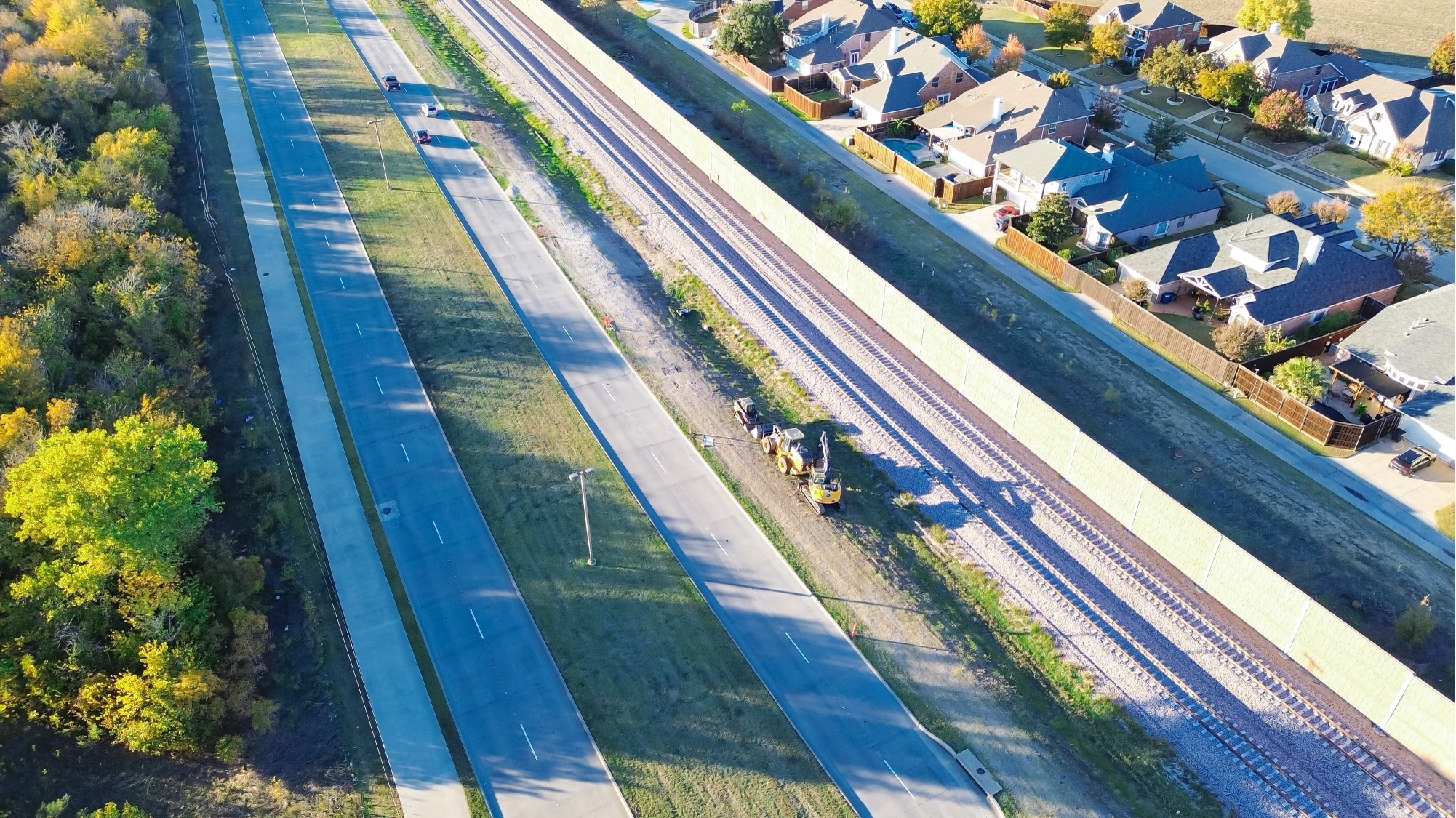
Rail and public transit facilities enable efficient transportation of people and goods. Our detailed knowledge of AREMA requirements keeps projects on track.
Learn More →
Buildings & Parks
Schools, universities, courts, parks, solid waste facilities are all critical to our society. HVJ has specialized knowledge and experience with a multitude of public projects.
Learn More →
HVJ Difference
Our engineers provide a unique blend of capabilities and experience because of the support they receive. Employees do not simply exist here. They thrive.
Learn More →
Culture
We are committed learners, empowered to interact based on making strong commitments. We take ownership of our actions and results.
Learn More →
Benefits
We believe in taking care of our employees. We offer a rewarding work experience, opportunities for advancement and competitive benefits.
Learn More →
Employee Stories
Check out what our employees say and learn about the HVJ experience! Great people and even greater teams are behind every project.
Learn More →
Current Openings
We're always looking for talented individuals who fit our culture and can bring new perspectives and experiences to our growing teams.
Learn More →
Agencies
HVJ has been proud to support hundreds of public agencies meet and exceed service expectations from their constituents.
Learn More →
Consultant Clients
We’ve developed ongoing teaming relationships with many consulting firms based on delivering outstanding client satisfaction.
Learn More →
HVJ Difference
Our engineers provide a unique blend of capabilities and experience because of the support they receive. Employees do not simply exist here. They thrive.
Learn More →
Culture
We are committed learners, empowered to interact based on making strong commitments. We take ownership of our actions and results.
Learn More →
Benefits
We believe in taking care of our employees. We offer a rewarding work experience, opportunities for advancement and competitive benefits.
Learn More →
Employee Stories
Check out what our employees say and learn about the HVJ experience! Great people and even greater teams are behind every project.
Learn More →
Current Openings
We're always looking for talented individuals who fit our culture and can bring new perspectives and experiences to our growing teams.
Learn More →
The Opportunity
Own a successful engineering business by adding our proven systems to your engineering talent and network.
Learn More →
How It Works
Help us branchise – you help us build a branch office and then convert it into your own franchise.
Learn More →
Who's A Fit?
Are you energetic and confident? See if this might be an opportunity that fits you.
Learn More →
Success Stories
Hear about the outstanding results our current franchisees have produced using our proven systems.
Learn More →
A Conversation with Ruban Gugaruban, P.E., Senior Project Manager at HVJ Associates®
We sat down with Ruban Gugaruban, P.E., Senior Project Manager in HVJ’s Construction Materials Engineering and Testing (CoMET) Department, to explore what he's learned from working across multiple countries, how he leads major infrastructure testing projects, and where civil engineering is headed.
1. Starting with some information about yourself, how did you get started in this field and what keeps you inspired today?
I grew up in a farming community in northern Sri Lanka during a period of civil conflict and limited resources. The community relied on traditional, generational wisdom to build homes, repair roads, and manage irrigation systems with whatever they had. Their resourcefulness showed me that thoughtful engineering can make life significantly better, even with few resources.
Engineering was also part of my family upbringing. My grandfather could build an entire house from foundation to roof. My father, a Water Authority technician, brought me along to pipelines, water treatment plants, and reservoir sites throughout my childhood. Those early moments planted something deep within me.
Later, as I moved to larger cities, I saw both modern progress and the quiet loss of sustainable practices. That tension drew me to civil engineering because it shapes how people live. It supports essentials like clean water, safe shelter, and dependable infrastructure.
Over the years, I worked in Sri Lanka, Singapore, Malaysia, Indonesia, Canada, and now the United States. I have seen diverse approaches to solving problems, but the common thread is serving communities safely and responsibly.
What I enjoy most is watching a design transition from plan sheets into a functional structure that people use every day. In the end, we are not just building structures; we are contributing to daily lives and future generations.
2. What do you consider essential to being successful in your role as Senior Project Manager in HVJ’s CoMET Department?
I ensure our field inspections and laboratory testing operations run smoothly from project kickoff through final completion. Success in this role requires a variety of skills, but these are a few that stand out to me:
3. For someone new to the field, how would you explain what Construction Materials Engineering and Testing is and how it differs from other areas of civil engineering?
Construction Materials Engineering and Testing (CoMET) helps connect the design and construction phases of a project. Through field observations, inspections, and laboratory and field testing, CoMET professionals ensures that the construction materials used in the project meet the project specifications and are placed in conformance with the project plans and specifications.
A unique aspect of CoMET is our presence throughout the entire construction lifecycle. We are involved at each stage as the project develops, contributing to its quality, durability, and safety.
Having worked on infrastructure projects across several countries, I have learned that even projects with similar designs can present very different challenges because of variations in ground conditions, materials, construction methods, and environmental factors. That is what makes CoMET interesting: every project offers something new to learn, and even a routine test can reveal an unexpected technical challenge.
For someone new to the field, I recommend prioritizing practical experience early in your career, especially where you can learn from experienced colleagues. Here are some specifics:
4. When a client or business is starting a new engineering project, what advice would you give them for choosing the right partner?
I encourage clients to look beyond the initial proposal fee and evaluate overall technical capability, responsiveness, and long-term value.
CoMET services typically represent only a tiny fraction of an overall construction budget—often just a few percent. Yet they have an immense impact on construction quality, project schedules, durability, and public safety. Selecting a partner based solely on the lowest bid often introduces hidden costs.
During proposal evaluation, clients should prioritize proven project experience, accredited laboratory capabilities, qualified personnel, and a demonstrable track record of reliable service.
Another major factor is whether a firm offers multidisciplinary technical support. At HVJ Associates, our CoMET team works directly alongside in-house geotechnical, environmental, and pavement engineers. When unexpected conditions arise, we work together to identify solutions and avoid costly delays.
In short, my advice to clients is simple. View your engineering partner not just as a project expense, but as an essential investment in risk management and long-term project success.
5. How has the field changed since you started, and where do you see it heading—new tools, technology, or approaches you're excited about?
When I began my engineering studies, we relied almost entirely on textbooks, manual calculations, and traditional drafting methods. Today, engineers can use digital tools to perform complex analyses, develop detailed designs, monitor construction activities, and manage large volumes of project information much more efficiently than before.
AI and machine learning are now showing potential to improve engineering productivity and support higher-quality project delivery. In CoMET specifically, I see opportunities to use AI and automation to improve field reporting, laboratory data management, technician scheduling, and quality assurance processes.
For example, in materials testing, these tools could help us more efficiently identify unusual trends, inconsistencies, and potential quality concerns. By automating routine documentation or administrative tasks, we can spend more time on technical evaluations, problem-solving, and client communication.
However, artificial intelligence must remain a supporting tool, not a substitute for engineering judgment. Civil engineering involves complex variables, shifting environments, and physical nuances that automated algorithms cannot fully interpret. For younger engineers, AI should cultivate deeper curiosity rather than reliance on automated answers.
The future of civil engineering isn't about AI replacing engineers; it is about skilled professionals using powerful tools responsibly to make sharper decisions and build safer, more resilient infrastructure.

These Stories on Blog
No Comments Yet
Let us know what you think